Children of Sarajevo

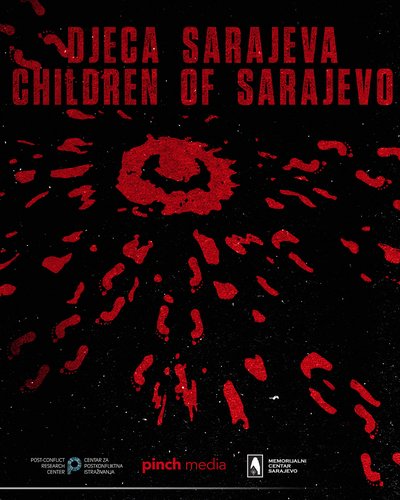
Children of Sarajevo (Djeca – Kinder von Sarajevo)

Movie · 2012 · 5 people

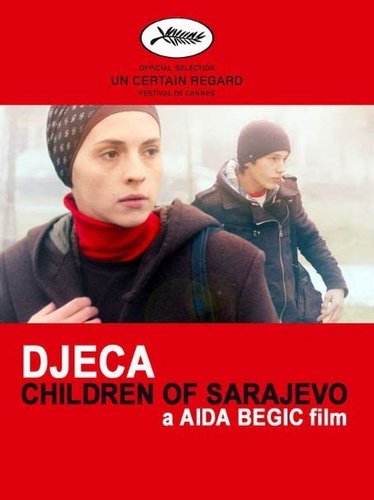
Bosnian filmmaker Aida Begić wrote and directed Children of Sarajevo (original title Djeca, released in Turkey as Çocuklar), a 2012 drama that looks at the aftermath of war through a pair of siblings. A co-production of Bosnia and Herzegovina, Germany, France and Turkey, it was shot in Bosnian. Director Semih Kaplanoğlu and TRT2 are among its co-producers. The film runs about 90 minutes and its budget is given as 1.2 million euros.

The story focuses on the daily struggle of Rahima (Marija Pikić) and her brother Nedim (Ismir Gagula), who lost their parents in the Bosnian war of the 1990s, in post-war Sarajevo. Bojan Navojec appears as Davor, and the cast also includes Velibor Topić, Nikola Đuričko, Aleksandar Seksan and Jasna Beri.

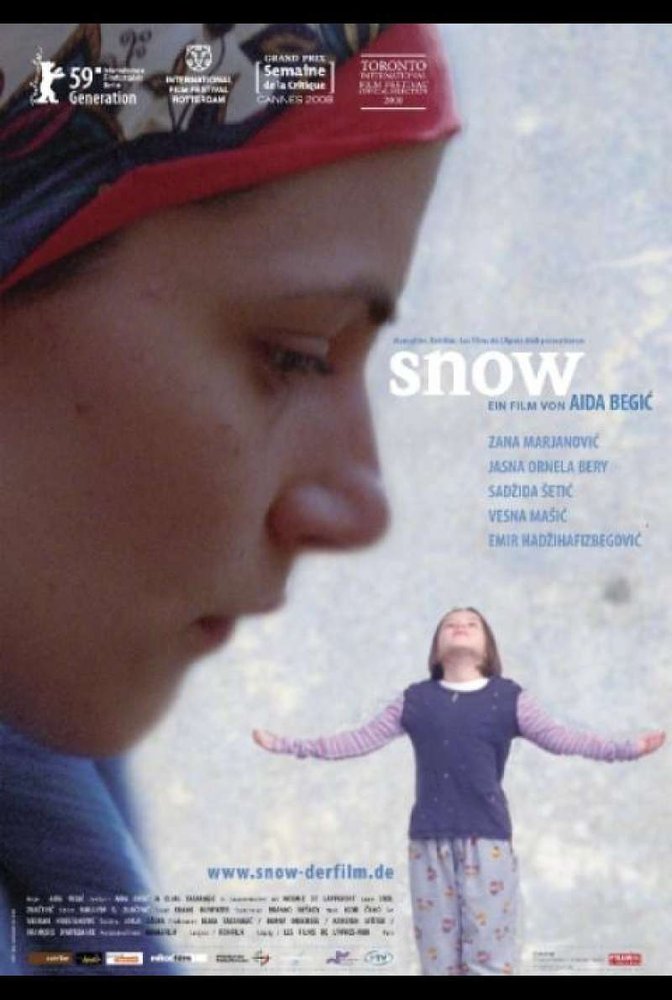
The film competed in Un Certain Regard at the 2012 Cannes Film Festival and received the Special Distinction. Begić's earlier film Kar had won the Critics' Week Grand Prize at Cannes in 2008. Children of Sarajevo was picked as Bosnia and Herzegovina's entry for the 85th Academy Awards' foreign-language category but missed the shortlist. At Pesaro it collected the awards for Best Film, the Young Jury and Amnesty International. M3 Film released it in Turkey on 26 April 2013.

DirectorAida Begić
Children of Sarajevo (Djeca – Kinder von Sarajevo) Children of Sarajevo (Djeca – Kinder von Sarajevo)

Reactions

You can pick up to 3 reactions.

Cast

Through different eyes

History & Society Lens Asks about the period, the social background and what the work reflects.

The film looks less at the war itself than at what comes after, and that, I think, is its real strength. The story of two siblings who lost their parents in the Bosnian war of the 1990s brings into view a second struggle that begins once the fighting stops: young people left without family trying to stay afloat day to day. Peace is declared, but the burden on orphans lasts for years, and the film puts that quiet generation at its centre. Turkey's place among the co-producers, through TRT2 and Semih Kaplanoğlu, also shows the region's story being embraced here too. For viewers who know war stories through front lines and heroics, it opens a different window.

Cinephile Looks at script, editing and directing choices; keeps a distance from formula films.

After her Cannes prize-winner Kar, Aida Begić tells of the scars of war through a tight focus: the daily struggle of a pair of siblings. The narrowing is deliberate: telling a trauma through the build-up of ordinary days rather than through big events. The Special Distinction it received in Cannes' Un Certain Regard suggests that this spare but resolute approach found its audience. My reservation is that stories leaning on the rhythm of daily life can feel monotonous at times to viewers expecting a classic plot, and those looking for a dramatic rise may come away empty-handed. That does not change the fact that this is the work of a director who knows what she has chosen: rather than displaying pain, the film makes you watch how it is carried.

Family Viewer Asks whether the whole household can watch it; cares about humour and heart.

The subject is heavy: two siblings who lost their parents in the war, struggling to get by. It is not a film for small children; both the theme and the pace will be hard for them. Watching it with older middle-schoolers and high-school teens can be worthwhile, though. It is a good chance to talk about siblings holding on to each other. It suits only those who want a calm, thoughtful evening.

These are not reader reviews: they are short editorial takes written from different viewer perspectives with AI assistance. Reader reviews are below.

Reviews (0)

Log in Log in to write a review.

Comments