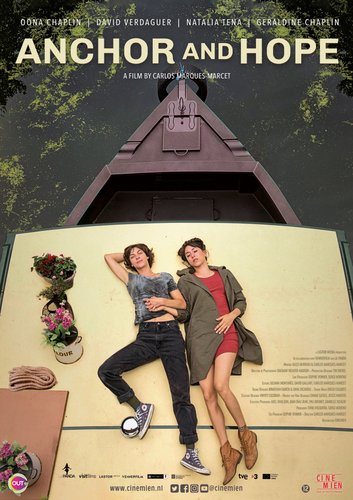
Anchor and Hope

Anchor and Hope (Tierra firme)

Movie · 2017 · 7 people

Carlos Marqués-Marcet directed the Spanish-British romantic comedy-drama Anchor and Hope (Spanish title Tierra firme) in 2017. Spoken in English and Spanish, it asks what it really takes to be a family, with love and the wish for a baby at its core. Marqués-Marcet wrote the script with Jules Nurrish, taking inspiration from María Llopis's 2015 book Maternidades subversivas. The film had its world premiere on 10 October 2017 at the BFI London Film Festival.

Eva and Kat, two women in their mid-thirties, live a carefree, bohemian life on a boat on the London canals. When the wish for a child threatens that routine, Kat's closest friend Roger turns up from Barcelona, and the three settle on making a baby together. As their plans for the future become concrete, their differences surface and the relationship is pushed to breaking point. Oona Chaplin plays Eva, Natalia Tena is Kat and David Verdaguer is Roger, while Geraldine Chaplin appears as Germaine.

Blending comedy with drama and counted among LGBTQ-themed films, it runs about 111 minutes. It stayed in the conversation after its release year, too: IndieWire included it in its list of the best LGBTQ films of 2018.

DirectorCarlos Marqués-Marcet

Reactions

You can pick up to 3 reactions.

Cast

Only cast members with a profile on this site are listed.
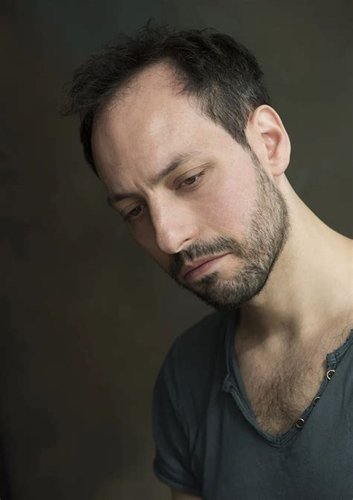
Philip Arditti Philip Arditti Actor · born 1979 Natalia Tena Oona Chaplin Geraldine Chaplin Trevor White Lara Rossi David Verdaguer

Through different eyes

Cinephile Looks at script, editing and directing choices; keeps a distance from formula films.

Marqués-Marcet's film chooses to walk the fine line between romantic comedy and drama, and that choice mostly pays off. The three-way structure built around the idea of a baby offers natural ground for tying comedy's lightness to drama's weight. Mixing English and Spanish also means the film never has to spell out that the characters come from different worlds; language becomes a storytelling device in its own right. Its weakness is that the story rests on a single question: as the plan becomes concrete, the direction of the conflict grows predictable, and in my view the film runs a little long for that one axis.

History & Society Lens Asks about the period, the social background and what the work reflects.

Anchor and Hope asks how a family might be built outside blood ties and marriage, not through a thesis but through an everyday relationship. Its inspiration in María Llopis's book Maternidades subversivas shows the film is tied to an effort to think about motherhood and parenthood beyond the usual moulds. The tension between the bohemian life on a canal boat and the responsibility a wish for a child brings reflects the anxiety of a generation forced to choose between freedom and stability. Three people from different countries making a family plan together also adds a subtle note on how mobility is changing the very idea of family.

Family Viewer Asks whether the whole household can watch it; cares about humour and heart.

This film belongs to the world of adults. It follows three friends' plan to have a baby and what that plan does to their relationships, with conversations and emotional decisions at the forefront. Young children would find it dull; it is not a story for them. For adults and older teenagers, though, it is a choice that makes you think about what really makes a family, one that both amuses and starts a conversation.

These are not reader reviews: they are short editorial takes written from different viewer perspectives with AI assistance. Reader reviews are below.

Reviews (0)

Log in Log in to write a review.

Comments